
Not only vegan foods but also vegan wines for a more sustainable diet.
Perhaps not everyone knows that November 1 is World Vegan Day. This world day originated in 1994 in England by activist Wallis Louise who, looking for a place to celebrate the 50th anniversary of the Vegan Society, became aware not only of the persistence of this food trend but also of how the term “Vegan” had now entered the common vocabulary.
Today in Italy the percentage of vegans is around 2.3 percent, while the most virtuous nations in this respect are the United Kingdom with London as the capital city leading the way in the number of vegan restaurants and the Netherlands with Amsterdam, which has always been an example for environmental sustainability.
Outside Europe, Asia is the continent with the largest number of vegans (9 percent) and vegetarians (19 percent), reaching nearly 30 percent of the population with a predominantly “plant-based” diet.
How is the wine world divided when it comes to vegan?
Although wine is commonly thought to be derived from the simple pressing of grapes, we cannot automatically categorize this product as vegan. In fact, the world of wine falls into three main categories:
- production by conventional method
- vegan friendly production
- fully vegan production
The conventional winemaking process refers to the use of substances of animal origin in the cultivation and production stages. The term “vegan friendly,” on the other hand, is used when, in at least one stage, the ban on the use of products of animal origin has not been fully complied with. Finally, we speak of vegan wines when, at all stages of production, from the vineyard to the winery, no products of animal origin are used.
Can we therefore say that not all wines are vegan?
Exactly! The raw materials are obviously plant-based, but what makes a wine vegan is the fact that it is made without the use of animal products or derivatives. Starting with the choice of vegetable compost in the vineyard, it then continues in the cellar where for clarification (the process that makes a wine crystal clear) instead of using isinglass, caseins or albumins, proteins of vegetable origin are used, extracted from the fermentation yeasts themselves or from some legumes.
What was Perlage’s choice?
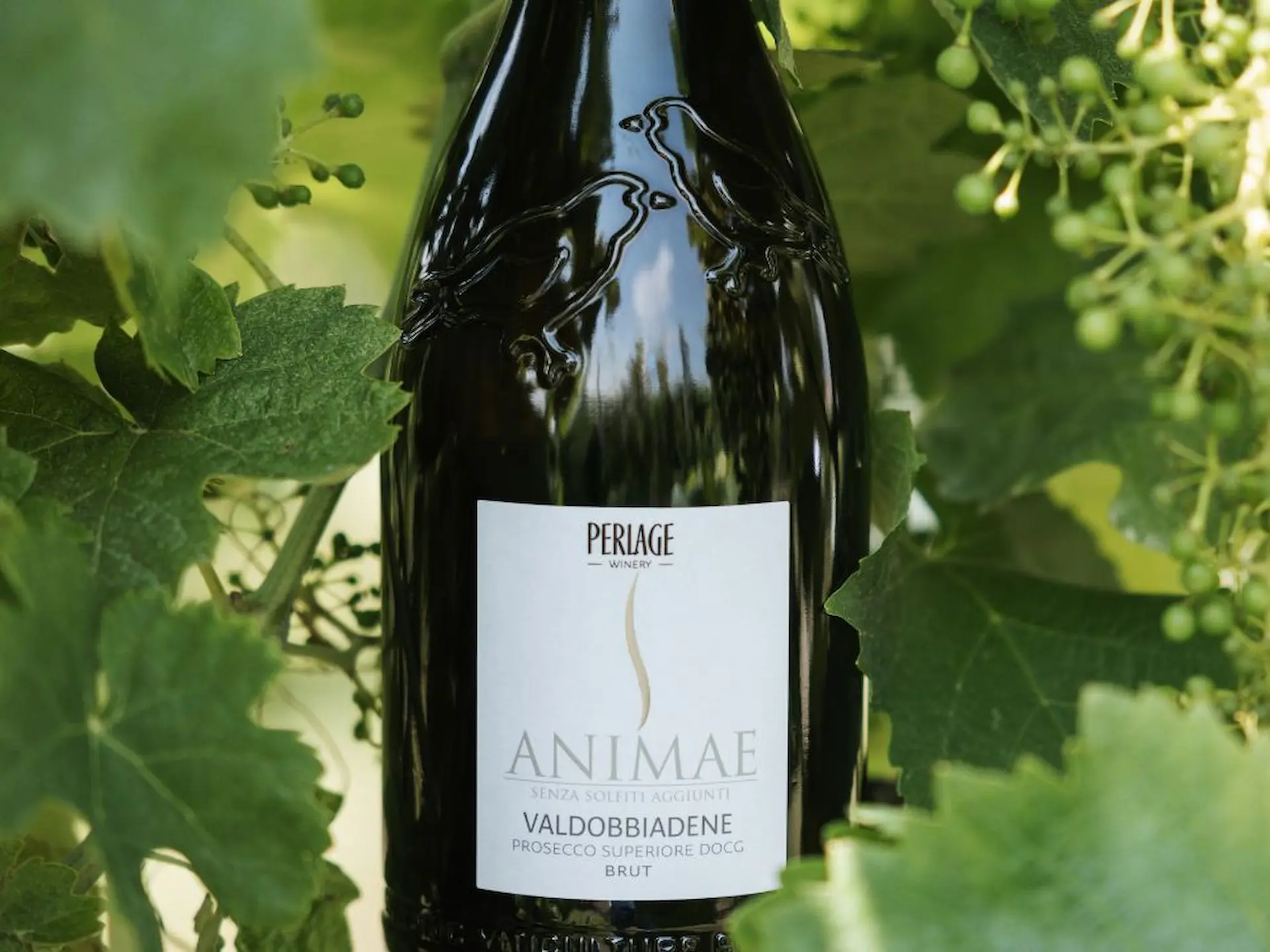
Always pioneers in sustainability and open to new trends, we at Perlage began producing vegan wines back in 2012 with the creation of Sgàjo Prosecco DOC Extra Dry (the world’s first vegan prosecco), thus becoming the first winery in the world to make a Prosecco DOC that is both organic and vegan. On the wave of our success, since 2016 we have applied this approach to all our production. Today all our products are organic and vegan.
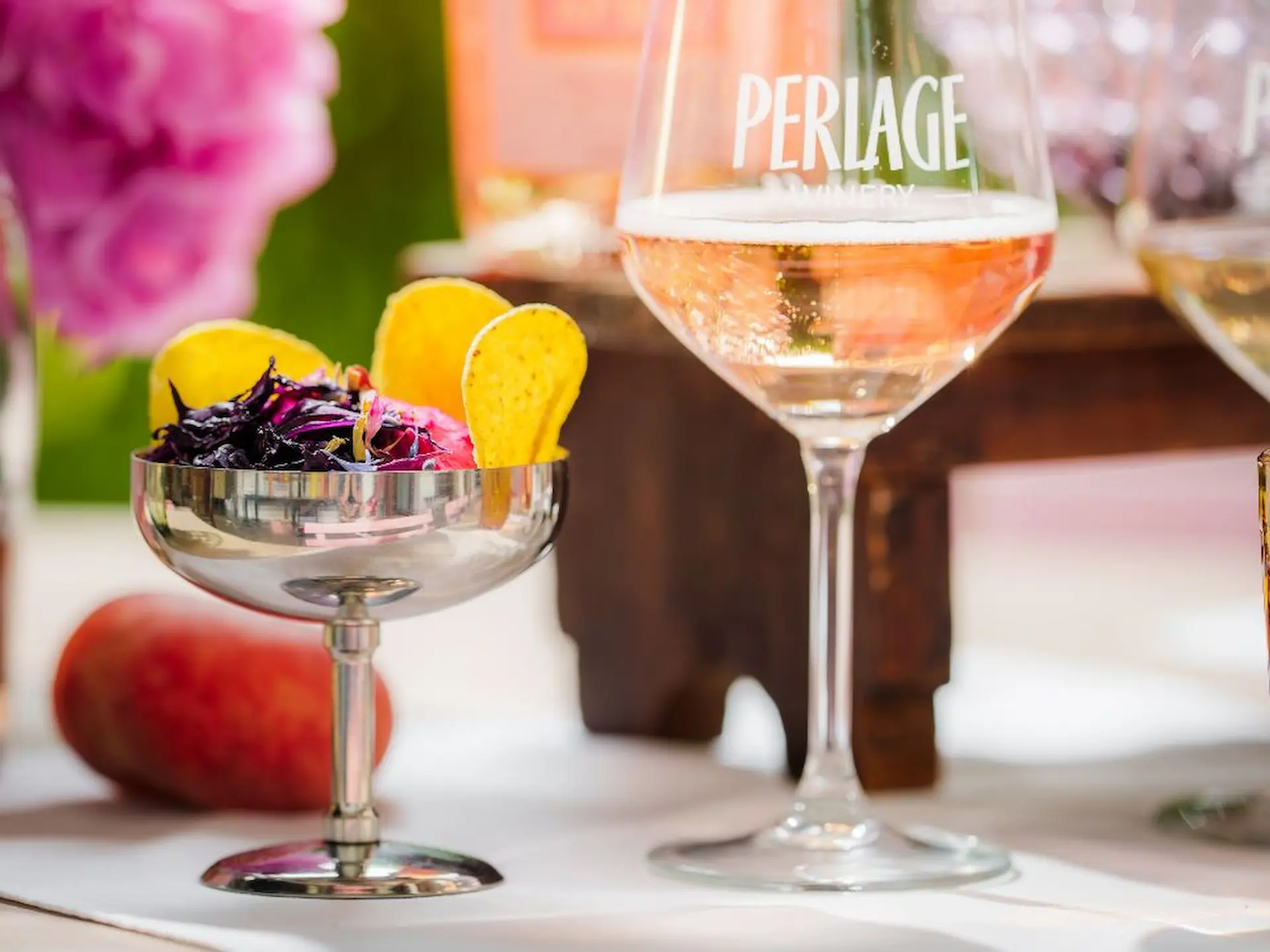
Explore our site and find out which Perlage wines will pair with your vegan recipes!