
Soft pink, cherry or claret rosé wines have their roots between France, Italy and the United States!
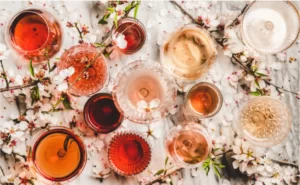
A thousand shades of rosé
Certainly it is one of the latest trends in the wine industry, but what is certain is that rosés are experiencing a new upswing.
Many types are produced: from Charmat and Metodo Classico sparkling wines to sparkling and still wines. Rosés really have a versatile and international character, so much so that the French, Italians and Americans have fallen in love with them!
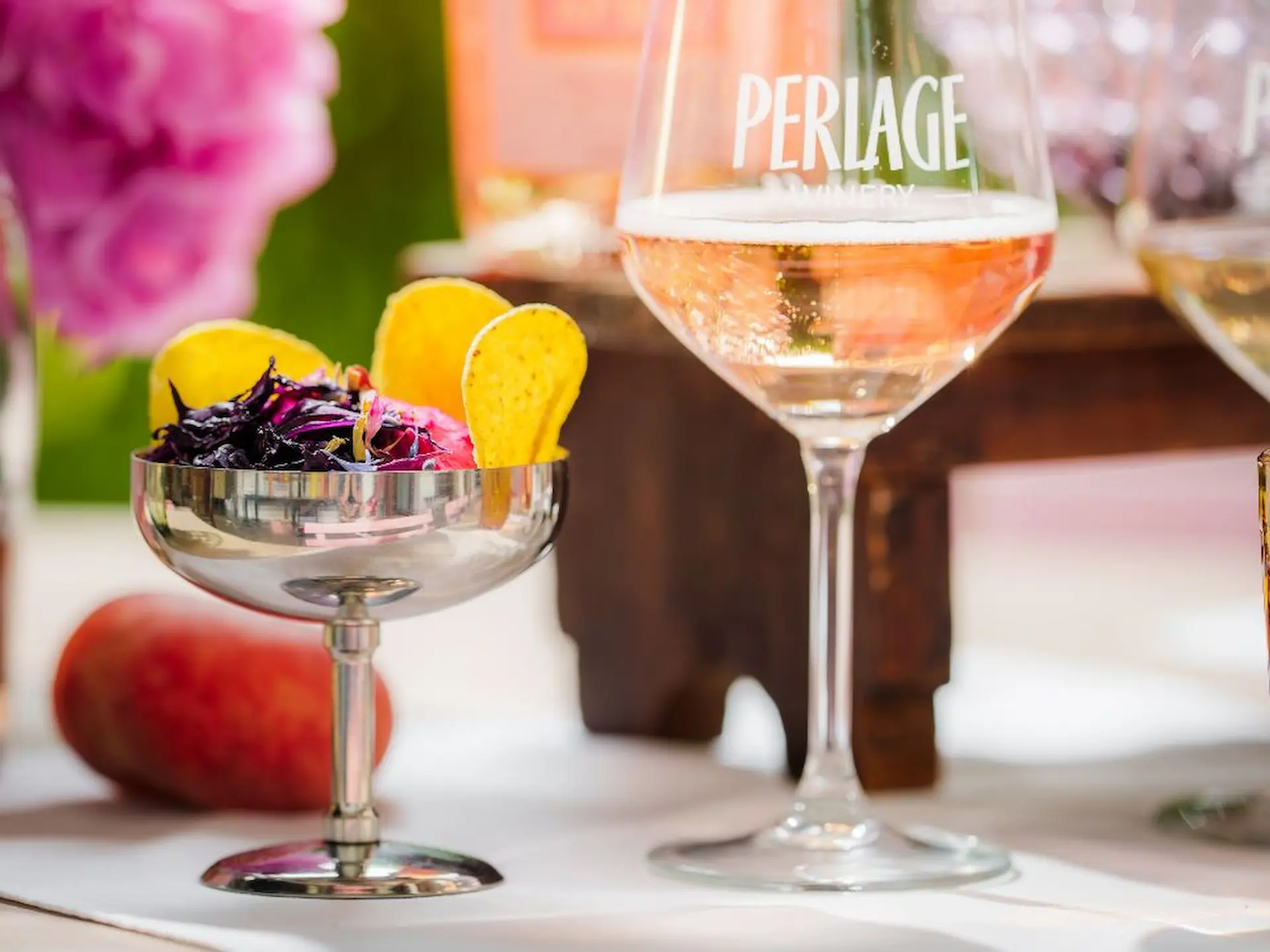
At Perlage, we couldn’t help but dedicate a space to rosé wines!!! In our range there are as many as three 100% organic ones: Afra Prosecco DOC Rosé, Perlapp Rosé and Rosato Veneto IGT.
But how is rosé wine produced?
Rosé wine is made using red grapes, the skins of which, when left in contact with the must for a few hours, release color pigments that will then give rise to the different shades of pink. It is the duration of this contact that will determine the hue.
To this method, called maceration, are added others: the gray wine or blush wine method in which the skins and must are separated immediately after pressing; the “salasso ” in which the grapes are left to ferment for 24 hours, after which part of the must is separated and then started for the production of rosé wine. Blending is used for the production of rosé sparkling wines; a small percentage of red wine base is added to the tank containing white wine and fermentation takes place.
How are the different shades of rosé wine defined and what foods can they be paired with?
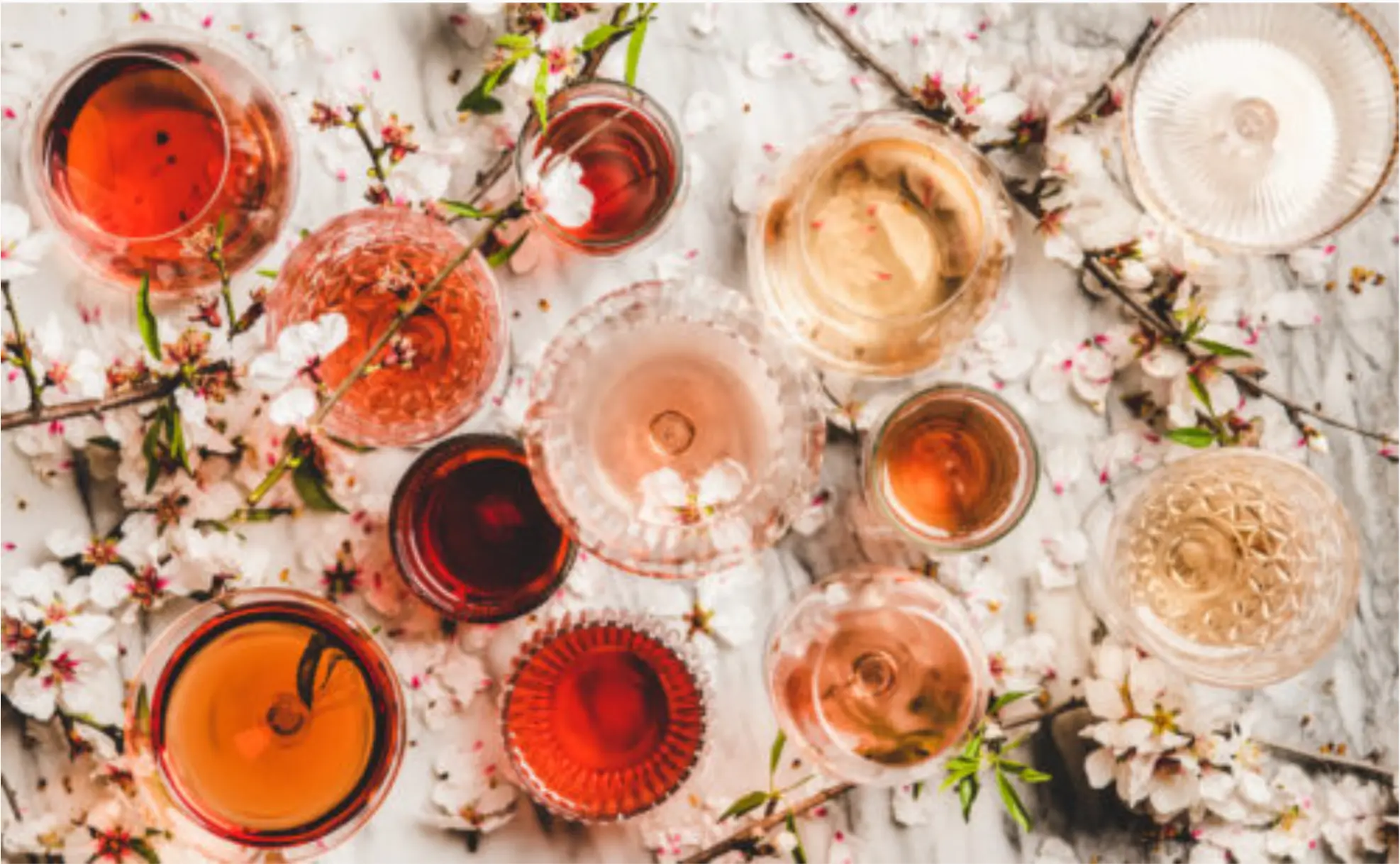
There are many shades that can characterize a rosé wine, from the most delicate, tending toward gray, to the most loaded, which we could almost call red.
Soft pink: very delicate shade that is sometimes referred to as “onion skin.” The cherry pink more intense gradation reminiscent of cherry color. Finally, claret pink, an intense shade very close to red.
For pairings, the watchword is versatility. Rosé wines are extremely versatile, which is also why they are very popular with chefs and wine lovers. To facilitate rosé wine-food pairings Perlage recommends pairing lighter and less structured rosé wines with dishes such as: seafood appetizers, shellfish, vegetable risottos and fresh cheeses. While with the more full-bodied and structured rosé wines we can dare with more seasoned dishes, where there is also some tomato sauce or white meats, roasts, sliced meats and medium-aged cheeses.
Rosé wines, wines with an international character
Apparently, Italy and France are contending for the birth of the first rosé wine. According to one legend, rosé wine was born in a small village on Lake Garda at the hands of a somewhat profligate priest. Historically, the arrival of rosé wine on our tables is traced back to World War II, when a winery in Salento began producing a rosé wine intended for Americans. For some historians, however, this type of wine originated in France in the late 1800s. While, in the early 1970s, a wine known as White Zinfandel-definedas “wine born by mistake”-was born in the United States, obtained from the white vinification of the red Zinfandel grape variety.
What is certain is that even today areas such as Provence, Languedoc and Italy are the areas where the largest amount of rosé wines are produced and consumed.
Next come the United States, Spain, Germany and the United Kingdom.