
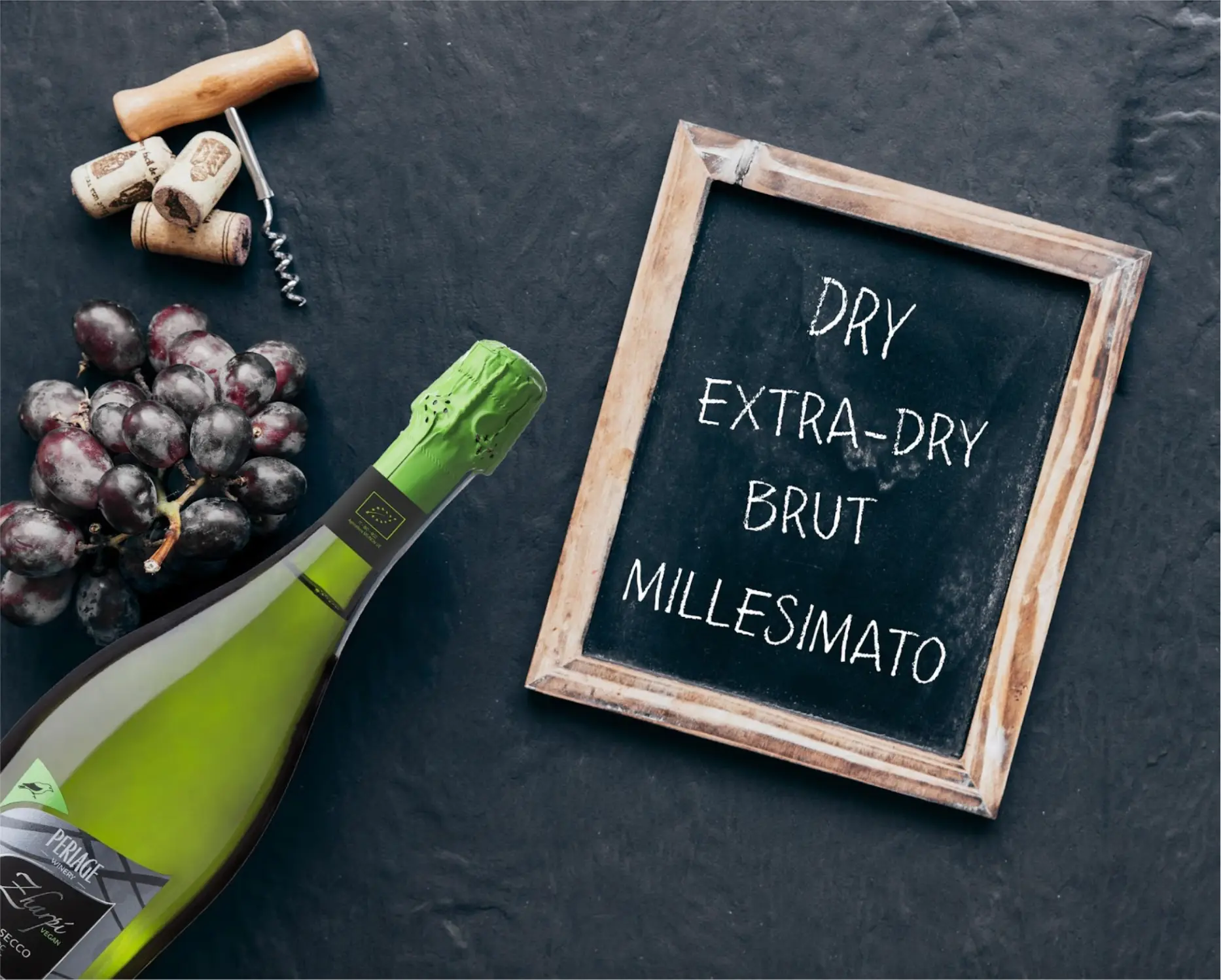
Dry, Extra Dry, Brut, Extra Brut and Millesimato. Here are some terms to know to choose the right wine for any occasion.
When we talk about sparkling wine we often hear these words mentioned, but what is their meaning?
Let’s start by clarifying the terms Dry, Extra Dry, Brut and Extra Brut:
these expressions indicate a different residual sugar present in the wine. Knowing this detail can be very useful in choosing the type of sparkling wine we want to drink or buy.
Conegliano Valdobbiadene Prosecco DOCG Dry is the sweetest, having residual sugar between 17 and 32 grams per liter. It lends itself to special and original food pairings, for example with spicy ethnic dishes, fresh shrimp appetizers, fish carpaccio or with dry pastries and candied fruit.
Conegliano Valdobbiadene Prosecco DOCG Extra Dry can be misleading, because in English it means dry and dry, but in reality this type of wine is amabile. Slightly softer than Brut, it has residual sugar ranging from 12 to 17 grams per liter.
It is ideal for sipping during an aperitif or as an accompaniment to delicate foods: white meats and fresh cheeses that can enhance its flavor.
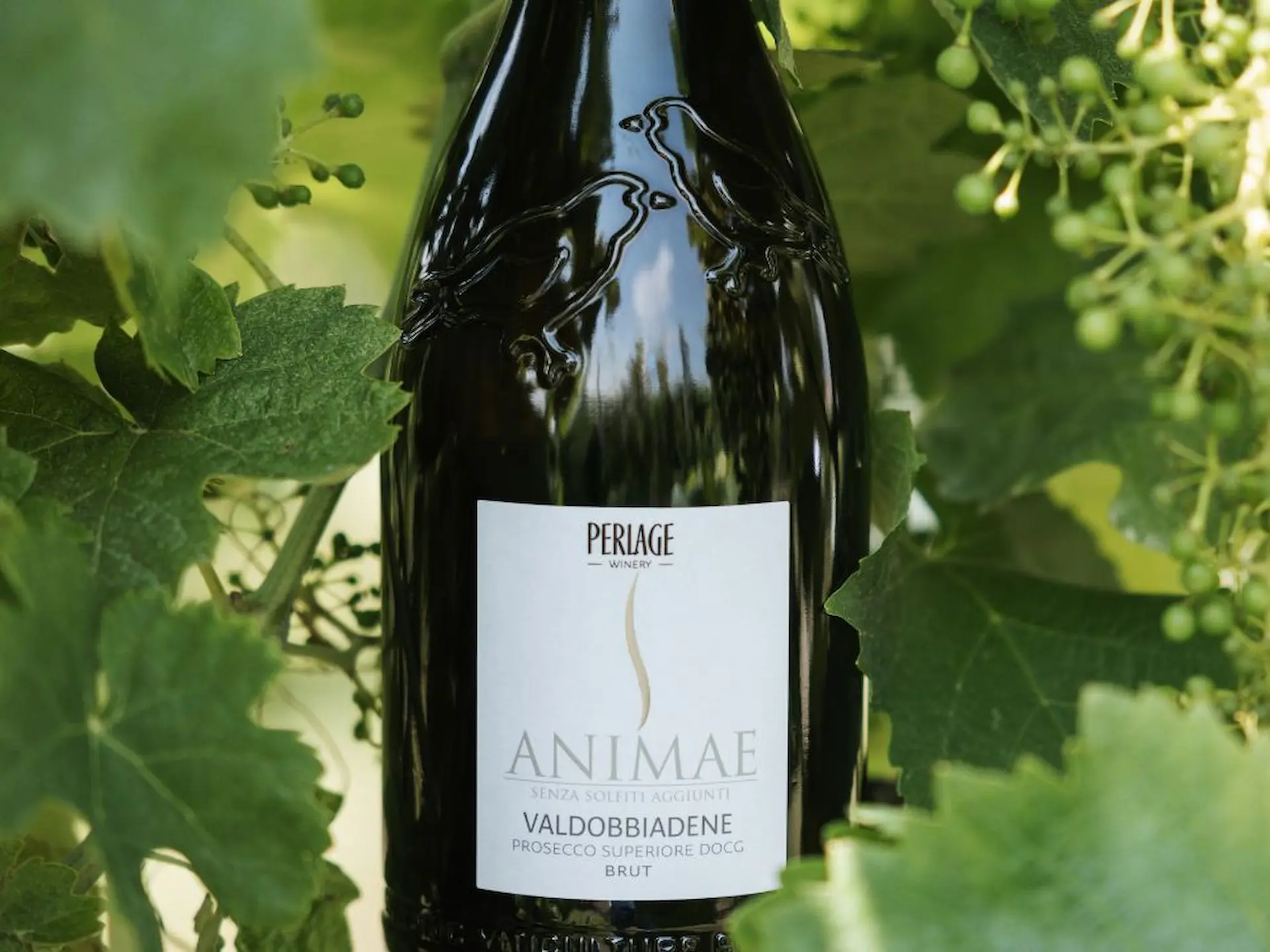
It is Conegliano Valdobbiadene Prosecco DOCG Brut the sparkling wine that has a residual sugar content of less than 12 grams per liter. It has an intense, slightly fruity flavor with a marked acidity: it is also ideal to accompany meals. Best pairings: first courses, white meat or fish, vegetables, fresh or medium-aged cheeses. It is therefore a very versatile wine.
As the last of the terms listed above, Extra Brut indicates a wine with very low residual sugar, between 0 and 5 grams per liter. This type of sparkling wine, thanks to its dry character, is suitable for drinking throughout a meal. Excellent with shellfish first courses and grilled fish.
And Millesimato means what? Millesimato means that a wine has been made at least 85% from grapes harvested and picked in the same vintage. On the wine label in addition to this wording we find the indication of the year, in fact the ‘vintage’ is the year of the harvest.