
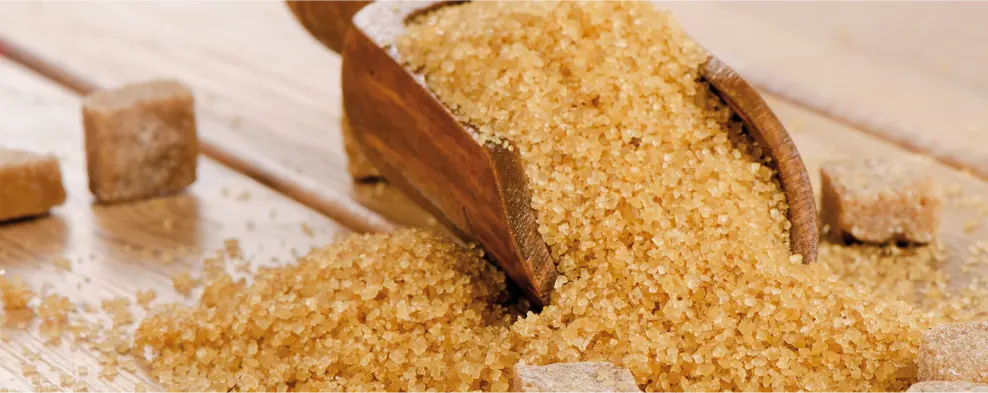

Altromercato Sugar
Perlage’s production chain becomes even more sustainable. From the beginning of 2019, we introduced Altromercato cane sugar in the production of 2 top Conegliano Valdobbiadene DOCGs: QUORUM Valdobbiadene Prosecco Superiore DOCG Extra Dry and GENESIS Asolo Prosecco Superiore DOCG Extra Brut.
Why the choice to turn specifically to Altromercato?
The CTM Altromercato Consortium is Italy’s leading fair trade organization and is a credible entity, active in 50 countries around the world through partnerships with more than 170 producer groups. The CTM Altromercato Consortium is also a member of the World Fair Trade Organization, an international body that brings together the world’s fair trade organizations, involving producers, importers and distributors, and that sets the standards to be met by the various fair trade organizations.
This reality is competent in the supply chain of cane sugars that can be considered, in various ways, special. It has specially selected for the production of Nostro Conegliano Valdobbiadene DOCG, a sugar that in addition to being organic and sustainable, also has an added value because it also turns its attention to the producers. First and foremost respecting their rights, supporting them in improving production quality, skills, efficiency, reducing resource use (such as water and fuels) and supporting communities with schools, health, social and financial services.
Organic sugar is a key component in the production of Conegliano Valdobbiadene DOCG, and by now its origin is largely non-European and linked to sugarcane, which has become one of the most environmentally and producer-exploitative agricultural products.
Unfortunately, critical issues emerge on the continents of production:
Cane cultivation has a very negative environmental impact due to the large use of chemicals and pesticides, the waste of water, and the practice of burning plant residues;
International institutions denounce the fact that in cane processing there are cases of minors involved in dangerous work (involving the use of machetes and pesticides), exploited as they are removed from the path of schooling and deprived of their basic rights;
In sugarcane production, as in other intensive crops, market prices barely cover production costs;
In addition, in order not to lose the sugar content, there must be a short period of time between the harvesting of the sugarcane and its processing, this often leads to a situation of heavy dependence of producers, especially small ones, on the nearest sugar mill.
In sugarcane-producing localities, the process of incorporation of small producers by large estates is widespread, and they relate by demonstrating a position of clear dominance.
Perlage has chosen not to nurture these kinds of practices. Our company has decided to take a path of sustainability and transparency, with the desire to have a highly ethical and traceable supply chain that is environmentally friendly and brings a positive impact to communities, not only in our territory but also in the rest of the world. Strengthening corporate social responsibility (CSR) has always been one of Perlage’s goals.
Production mechanisms, such as that of sugarcane, should help us reflect on the fact that our purchasing choices could be more conscious: the small gestures of everyday life and what we choose to consume make a difference.