
The public often talks about the protection of biodiversity, some species, in fact, would result in a terrible and irreparable loss if they became extinct altogether. One of the species that is valuable and fundamental to our ecosystem is bees.
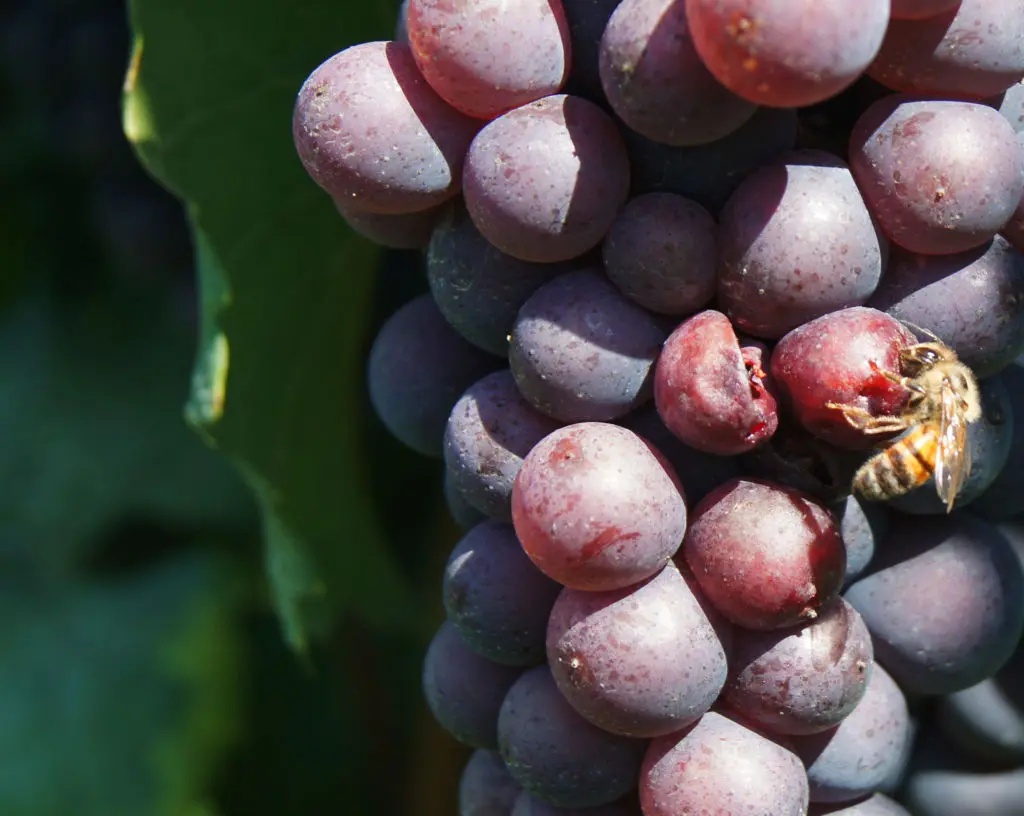
The Bee is a member of the family Apidae, the order Hymenoptera, and like all insects possesses six legs and has a body divided into three parts: head, thorax and abdomen. Its mouthparts are structured in such a way that it has no difficulty in collecting liquids, which it mixes through the pharynx with the secretion of its salivary glands. Once they enter the bursa melaria, they undergo the action of the enzymes in the saliva that changes nectar into honey. In addition to liquids, pollen, which is collected and stored mainly in the legs, is also indispensable.
This species, as is well known, lives in the hive, which can contain as many as 100,000 worker bees. Bee society is matriarchal, multiplies by swarms and is divided into three castes: queen, drones and workers. These little workers have a very fast ability to reproduce, and even though they have very short lives they manage to use them all the way, making themselves useful to the society to which they belong.
Let’s get to the point…Did you know that such small animals are, by economic importance, the third most important livestock animal in the world?
We often think only of the fact that they produce honey, but in fact they do more than just that. If you ate a fruit this morning, it is because of a bee. If you drink a smoothie, if you eat a jam, if you drink a juice, it is because a bee has been there. Bees are very important for pollination! The flowers are fragrant and colorful precisely to attract bees, so that upon entering the flower the bee is filled with pollen, which it then releases when it goes to “visit” the next flowers and thus the fertilization of the plant and consequently the birth of the fruit takes place.
The precious insects are prone to more or less dangerous diseases and have natural enemies (not only mammals, but also other animals similar to them) that can create damage to the hives (as well as to the ‘bee itself).
There are also environmental factors to watch out for: air pollution reduces the ability of bees to smell the scent of flowers many meters away; the decrease in honey plants, perhaps replaced with other crops, has led to a significant reduction in populations.
Have we wondered what we can do to safeguard these small animals? Each of us can make a contribution..how?
Simply by keeping a few flowers on the window sill or terrace of our house, in every season there are varieties of plants that bees love. Not always the most showy plants are also the most pollen-rich, and it is important to organize our garden so that we can provide sustenance for the bees even when the surroundings do not offer many possibilities. Some plants are wild and we may consider them “weeds” in our gardens, but you will see that many will be useful for us as well!
Here are some favorite plants of our friends:
- heather
- tulips
- clovers
- dandelion
- herbs: sage, rosemary, chives, lavender, thyme, mint, lemon balm, basil
- marigolds
- marigold
- cornflowers
- Jerusalem artichoke
- sunflowers
- chrysanthemums
“If the bee disappeared from the face of the earth, man would be left with only four years to live.” This phrase attributed to Einstein warns us that without the work of bees and the pollination process, agricultural crops would have no way to continue and our survival would be in jeopardy. Flowers and our nature should be preserved as a unique and valuable asset…let us not underestimate the importance of animals, even the smallest ones.