
Preserving soil quality is one of the key actions to safeguard life on planet Earth and promote a reduction in CO2 emissions, as numerous studies show. One way to do this is to protect biodiversity, which is closely linked tofood production, human health, pollution and climate change.
Agriculture takes on a central role, along with all human activities aimed at “capturing” CO2, reducing environmental impact and mitigating its negative effects.
But what does a healthy soil consist of?
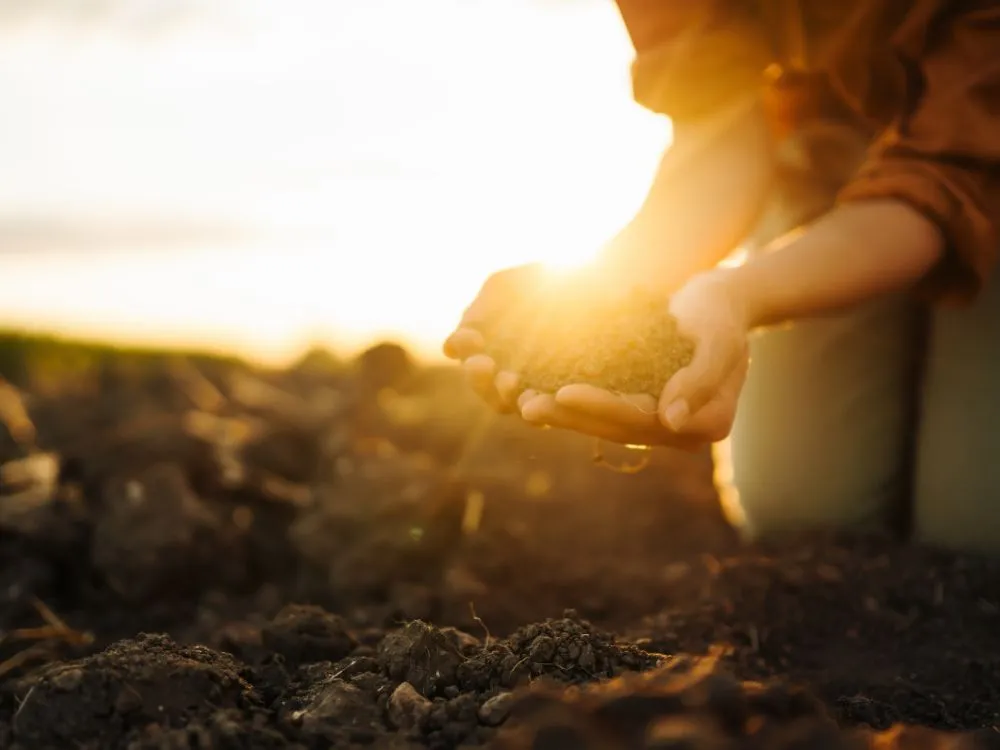
Healthy soil consists of minerals, living animal and plant organisms, organic matter, air and water. The benefits of biodiversity to agriculture and food security are diverse: soil microorganisms, for example, transform organic and inorganic compounds by releasing substances that plants can use as a source of nutrients; they contribute to carbon sequestration, thus reducing greenhouse gas emissions, by promoting the complete degradation of organic matter.
Thus, it is clear that soil biodiversity is doubly linked to agriculture. Food is incredibly influenced by this component, which is why it is essential to counteract climate change so as to avoid negative effects on the soil.
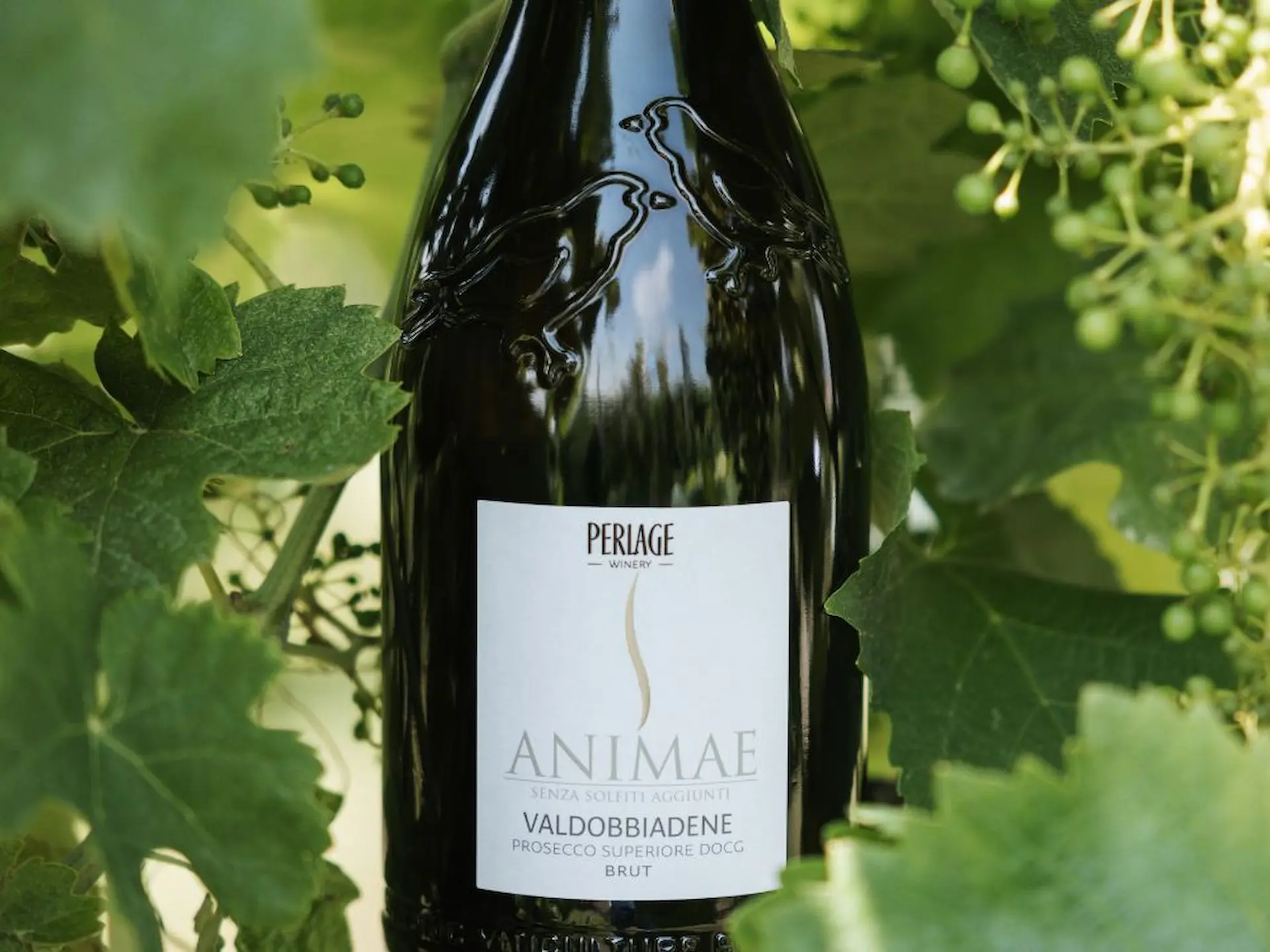
In the case of grape cultivation, for example, climate change has a strong influence in terms of wine flavor and minerality. Therefore, poor soil management can undermine the organoleptic scents of grapes and wine. Not to mention a decrease in its fertility, as mentioned earlier. To counteract these effects, compost, a nutrient-rich mixture similar to brown loam, can be used in agriculture in the fall period to provide all the care necessary for plant survival and the production of excellent grapes.
But what is Perlage doing to curb its CO2 emissions?
- It uses compost in its own vineyards and in those of its contributors. At harvest time, stalks are collected, consisting of organic matter useful for making new compost;
- Measure its carbon footprint: thanks to the V. I.V.A certification (a program of the Ministry of Environment and Energy Safety created in 2011 to promote sustainability in the Italian wine sector) Perlage has tracked 3,001.78 tons of CO2 eq (for the full report click here);
- It uses photovoltaic panels to generate electricity from renewable sources;
- Reduces energy consumption through the use of technologically advanced plant and machinery;
- Adopt the 5 R’s philosophy : rethink, recycle, reduce, respect and regenerate.