
Vegan wine is that wine made without the use of products or derivatives of animal origin.
The absence of animal products must accompany all stages of vegan wine production.
Let’s look at it in more detail:
The production process of vegan wine
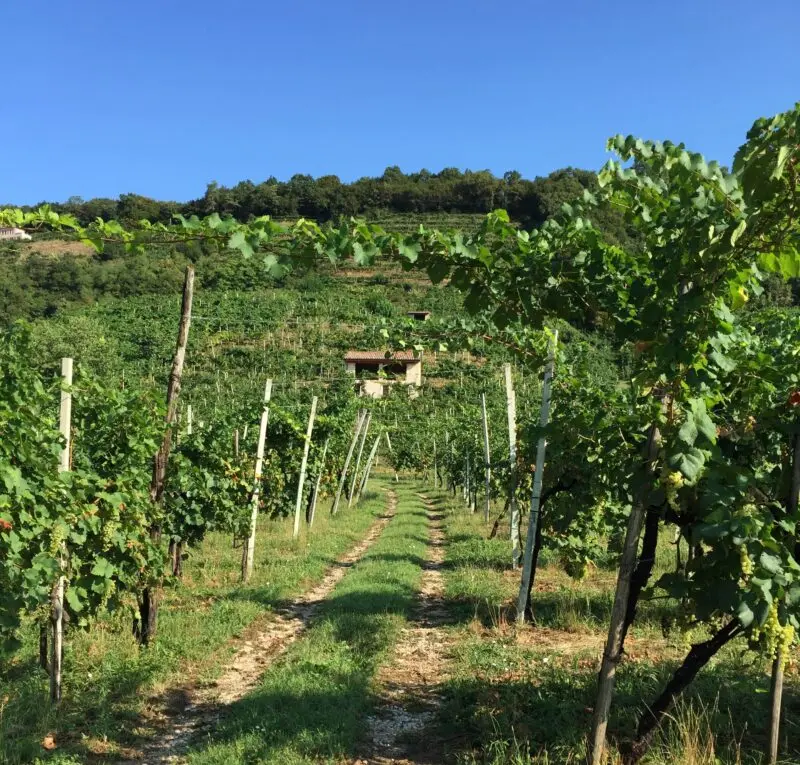
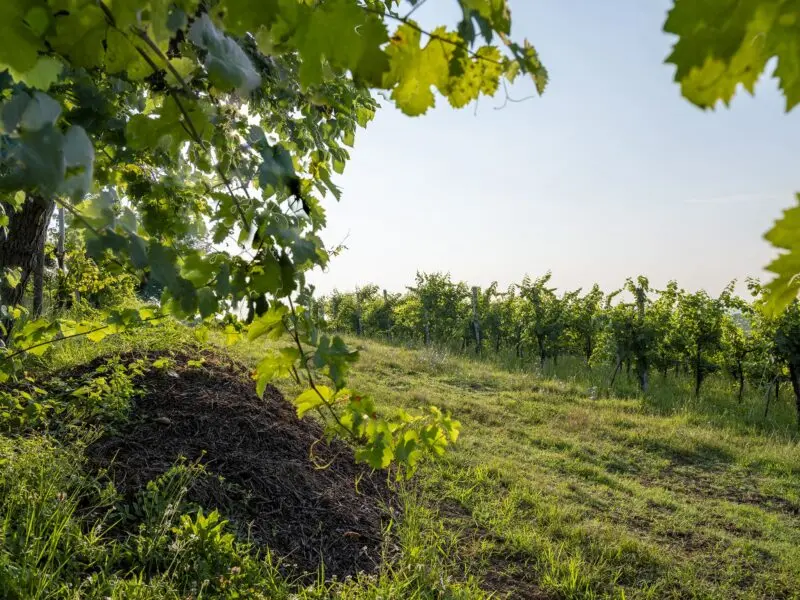
A wine is born organic and vegan already in the vineyard, the first attentions start right here. The vineyards from which the grapes for our wines come are vineyards where natural products are used for treatments and fertilization (such as vegetable compost).
Attention then continues in the next steps. During the cellar processing stages of non-vegan wines, it may happen that for clarification (the process that makes a wine crystal clear) there is a need to use products such as: isinglass, caseins (milk proteins) or albumins (egg proteins). In the production of vegan wines, however, the use of these products is prohibited. Any clarification needs in Perlage’s organic and vegan wines are performed using proteins of plant origin, extracted from the fermentation yeasts themselves or from some legumes. In order for organic wine to be certified vegan, the entire winemaking process must be tracked and verified.
Vegan certification: the certified quality of vegan wine from Perlage
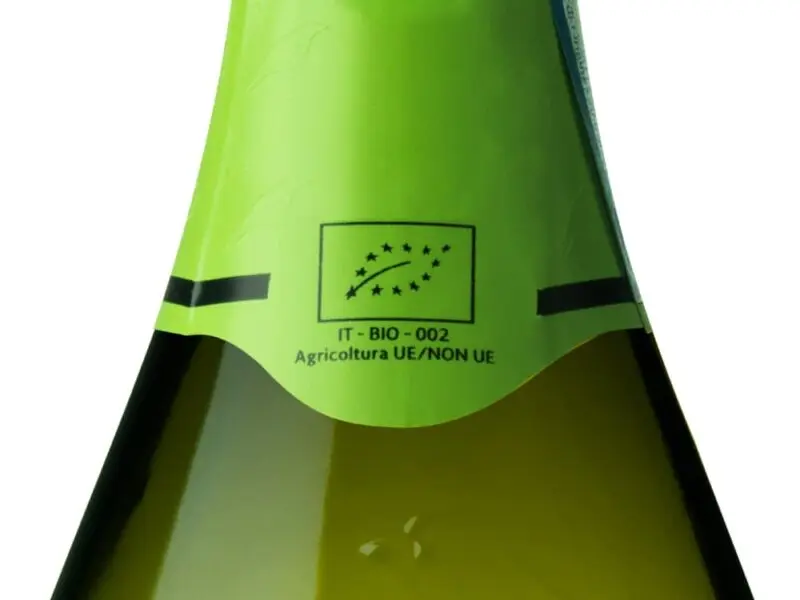
It was natural for Perlage to move toward vegan certification, as it has been producing organic wines since it began operations in 1985. Making the wines vegan means offering a complete product that meets the needs of an organic-loving clientele that, increasingly, follows avegan diet that excludes the enjoyment of products of animal origin and its derivatives.
Since 2015, Perlage has achieved vegan certification. The vegan certification is issued by A.V.I. LABEL VEG (Italian Vegetarian Association). Obtaining this is subject to compliance with procedures and the non-use of products or derivatives of animal origin.
Our organic and vegan wines encapsulate customer and product focus and passion for research in the bottle.