
How did the concept of Cuvée originate?
We can trace the concept of Cuvée back to the time of the Roman Empire.
One of the most significant signs of the Greek influence on the Romans, was the culture and passion for wine.
Today, in fact, if we possess a refined and profound knowledge of the latter, it is thanks to the Roman imports, which introduced many varieties of wine to our Peninsula.
It is no coincidence that the origin of the word Cuvée comes precisely from the Latin word “cūpa” meaning barrel, the vessel still used today for storing wine during fermentation. Over the years, the word Cuvée (from the French “blend” or “cut”) has taken on a different meaning, indicating wines made with grapes from different vineyards (cru) and different vintages so as to create an organoleptic balance typical of this production.
Then there is a further way of understanding Cuvées and that is as “special creations” that are excellent in the field of winemaking. These are distinguished by merit and product quality, such as: the Cuvée del Fondatore, the Cuvée close and the Gran Cuvée.
If we delve further, we find that the term Cuvée is mistakenly mistaken for Millesimato. We can, however, state that these words are not properly synonymous. In fact, Millesimato more accurately indicates a wine that is composed of at least 85% grapes from the same vintage and/or from a single vineyard (cru).
While the Cuvée is a blend, mostly obtained from a combination of several grapes, passions, flavors and aromas that combined with winemaking skills generate a unique, harmonious, elegant and high quality product.
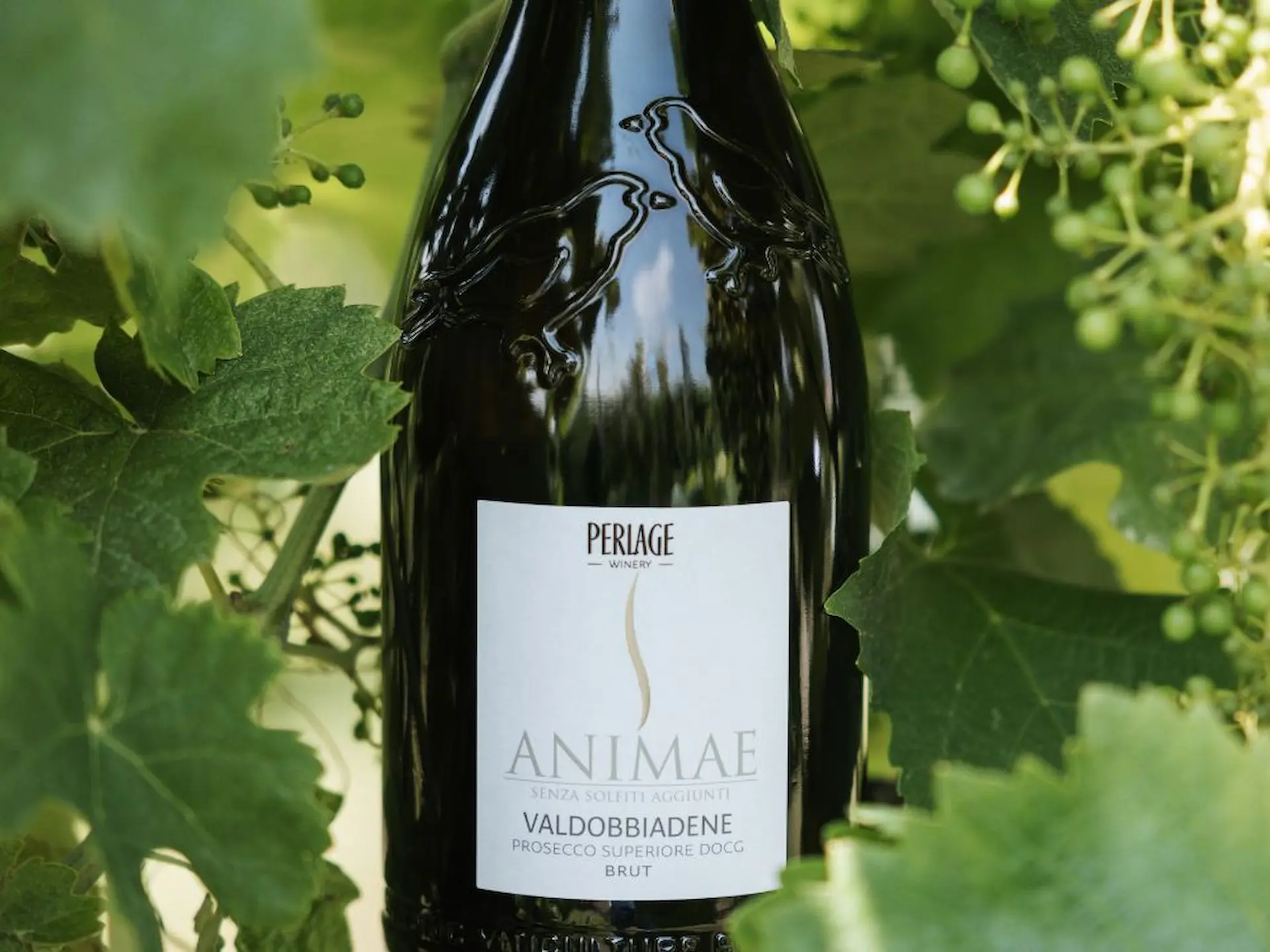
In the Perlage range we can find several Cuvées: the most valuable is Tiziano Nardi Valdobbiadene Prosecco Superiore DOCG Cuvée del Fondatore – Millesimato and Extra Brut. Moving on to Cuvées such as Perlapp, Perlapp Rosé and Ottantacinque that are colorful, appealing and low in alcohol. Perfect for aperitifs, family evenings and parties with friends.
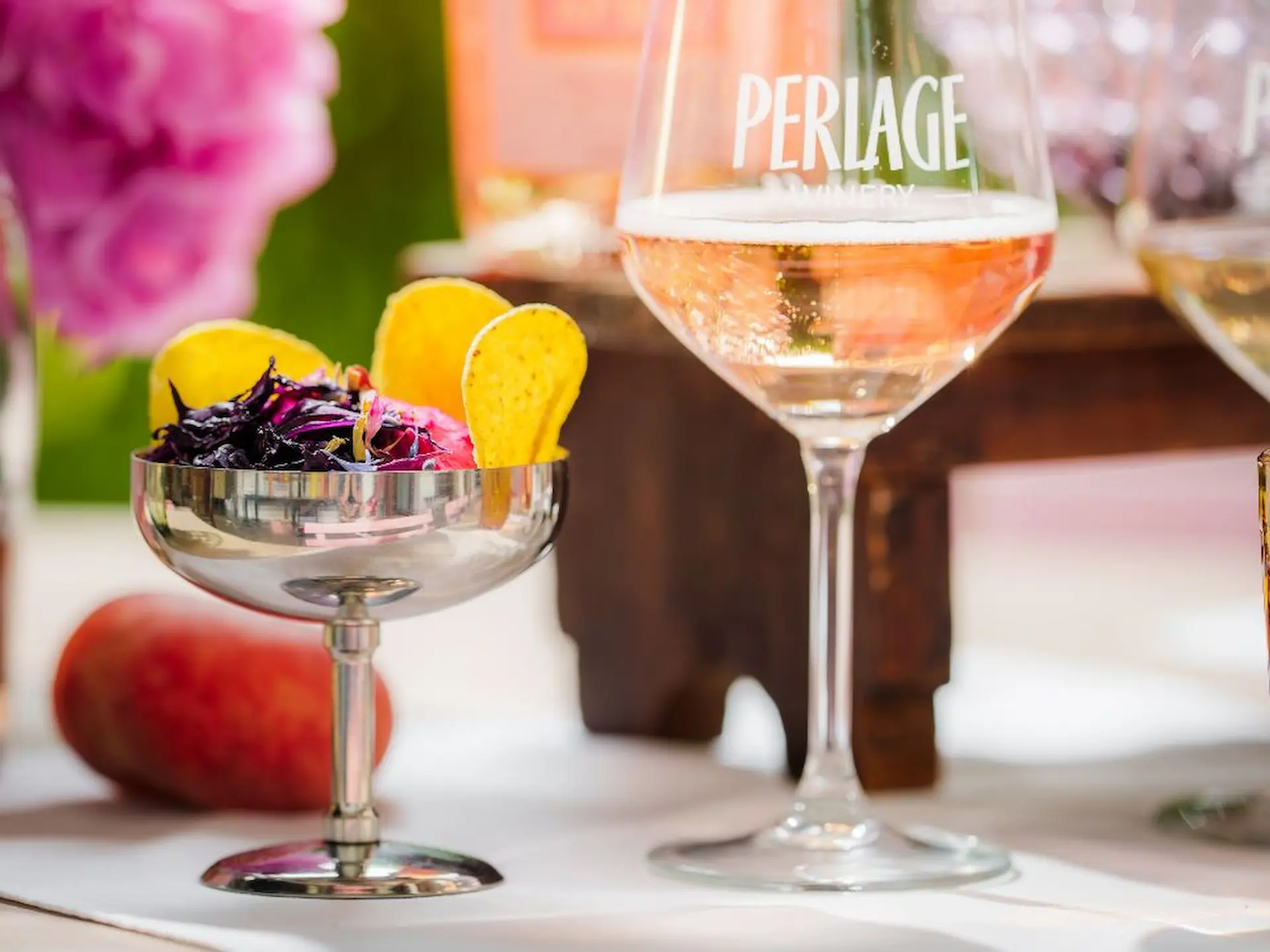
Perlapp and Ottantacinque are Cuvées made from white grape varieties. While Perlapp Rosé comes from a composition of white and red berry grapes, which bring typical flavors of red grapes such as strawberry and raspberry to the glass, but also aromas characteristic of white sparkling wines such as apple and white flowers.
Our Cuvée sparkling wines are all certified organic and vegan, contained in elegant and glamorous packaging with a focus on the environment and sustainability, in line with the company’s philosophy.
If you would like to learn more about our Perlapp, Perlapp Rosé and Ottantacinque Cuvées click here.
To learn more about our Cuvée del Fondatore, however, you can get more information on this page.