
‘Farm to Fork’ is a 10-year (2020-2030) strategic plan presented by the European Commission and represents an innovative management approach guided by the principle that food, environment, health and agriculture are closely linked.
The plan is an integral part of the Green New Deal (GND), a wide-ranging project based on environmental, social and economic reforms. Among the GND’s most ambitious and binding goals is to achieve climate neutrality in the European Union by 2050.
What are the goals of ‘Farm to Fork’?
‘Farm to Fork’ has many goals, which require a joint effort by all member states of the European Union.
This strategy aims to transform the European food system, making it more sustainable and at the same time transparent, involving the various actors in the supply chain. From production to distribution reaching the final consumer.
The main goal is to develop a more sustainable, organic and fair food supply chain but also to reach an informed end consumer with a healthier lifestyle, triggering the improvement of standards globally.
What actions will be needed to achieve these goals?
Organic and sustainability but also food security and waste reduction play a key role in the ‘Farm to Fork’ strategy.
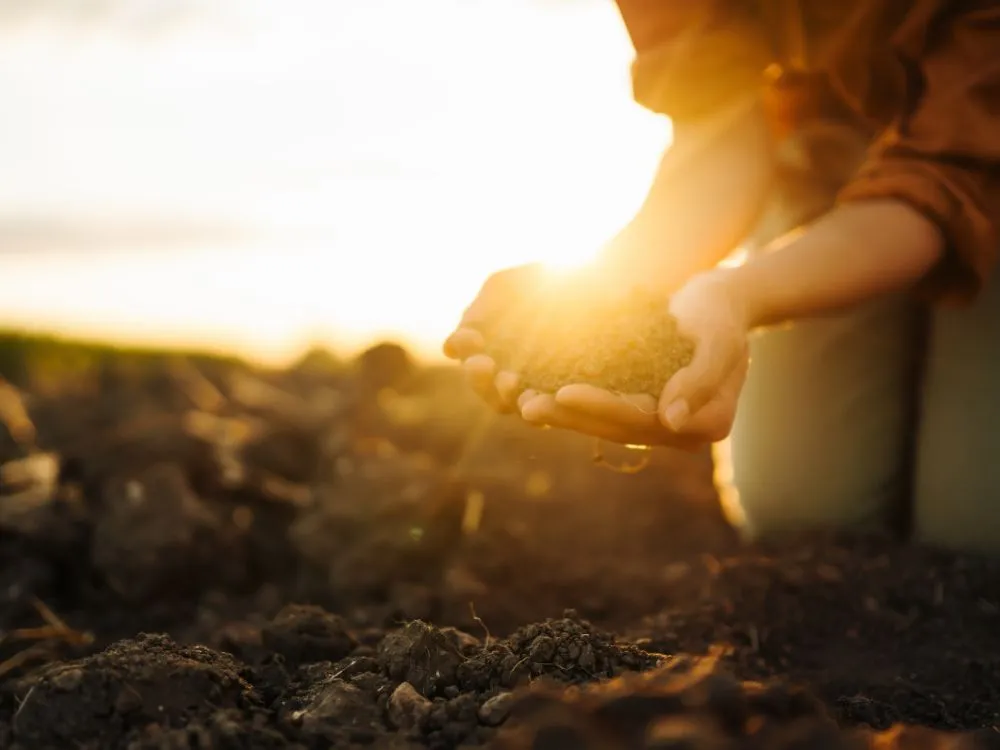
Organic farming plays a key role; the strategy aims by 2030 to achieve a 25 percent of European agricultural area converted to organic. The ‘commitment to a 50 percent reduction in the use of the use of fertilizers and pesticides in agriculture. Actions designed to preserve biodiversity in farmland and safeguard ‘pollinators’ such as bees, which are invaluable to life on the planet, but also birds (such as the Golden Oriole, an indicator of environmental healthiness) are present in the plan.
On the other hand, the ‘Farm to Fork’ strategy reserves the right to stimulate the end consumer, helping them to embark on a healthier lifestyle, starting precisely with choosing a diet that includes plant-based products in greater quantities, organic and sustainable foods but also combating food waste from a circular economy perspective.
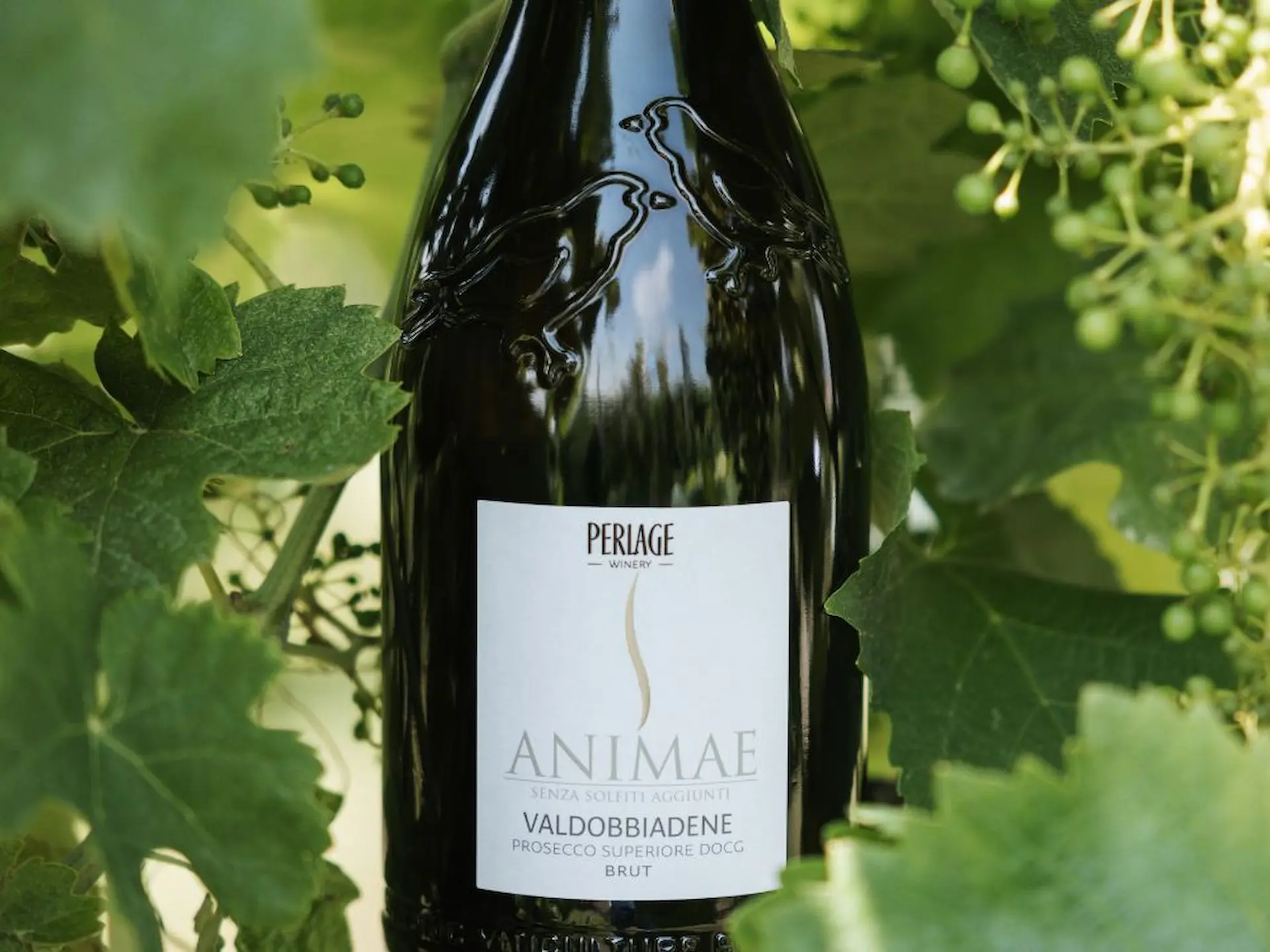
In order to ensure greater transparency in the supply chain, the plan calls for the use of digital tools aimed at giving consumers information about a food’s origin, nutritional value and environmental footprint. Perlage is already moving on this front with the R&D project “Filiera 4.0,” aimed at the digitization and traceability of one of our products, Quorum Valdobbiadene Prosecco DOCG Extra Dry, and the involvement of the respective players in the grape-wine supply chain.
This major project does not exclude the livestock sector, with goals such as reducing methane emissions from livestock and improving animal welfare.
The strategy also requires us to take an extra step to combat climate change by adopting renewable energy systems such as solar panels and carbon offsets for both public institutions and the business and private sectors.
In short, ‘Farm to Fork’ asks everyone to make a small effort to achieve great results for the health of the Planet and its inhabitants by 2030.