

The 2030 Agenda for Sustainable Development incorporates important issues such as eradicating hunger and combating climate change into its 17 goals. At least five of these goals are related to the theme of sustainable food: number 2 Defeating Hunger, 3 Ensuring Health, 12 Ensuring Sustainable Patterns of Production and Consumption, 14 Conserving and Sustainably Using the Oceans, and 15 Protecting the Restoration and Promoting Sustainable Use of the Earth’s Ecosystem.
As can be seen, food sustainability is closely linked to issues such as biodiversity, food security, inclusion, organic and sustainable agriculture.
Sustainable food is synonymous with an accessible agribusiness model that is fully integrated with environmental and social dynamics, aiming to achieve the correct nutritional needs of the population with the least possible environmental impact.
To build a sustainable food system, there are three cornerstone principles to work on:
- responsible food consumption
- reduction of food waste
- food safety
In this context, the agricultural sector plays a strategic role in the UN 2030 Agenda with the potential to offer more sustainable product choices such as organic products, ensure low-impact food production systems , and safeguard plant and animal biodiversity.
Food sustainability therefore means an environmentally friendly, socially responsible production and consumption system with which to ensure food security.
What can end consumers do?
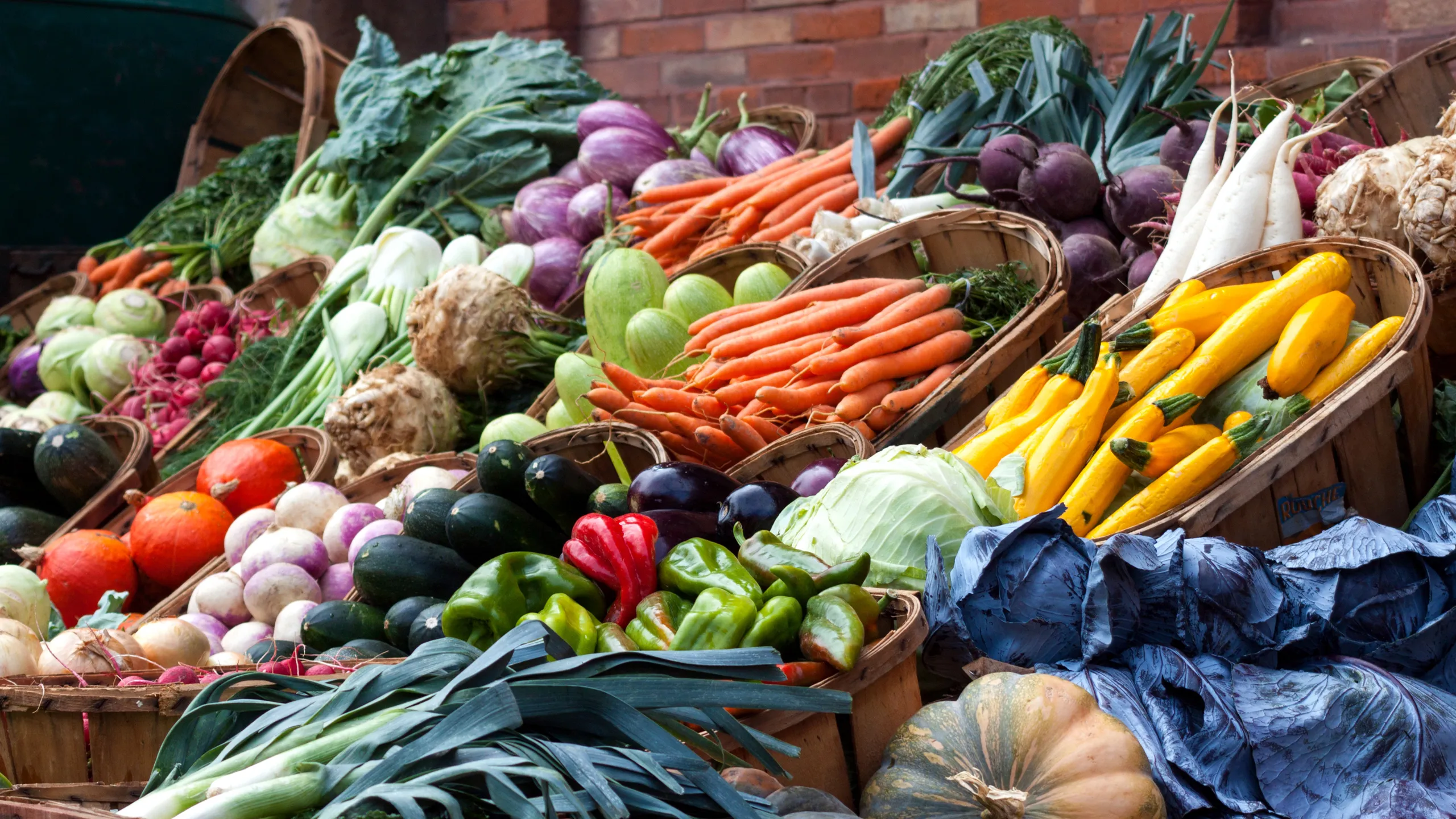
Definitely starting with small conscious gestures, embracing a more sustainable lifestyle and diet, limiting the consumption of food from intensive farms in favor of consuming KM zero and seasonal fruits and vegetables, but most importantly reducing waste.
According to EU data still 20 percent of food is wasted in the European Union.
While governments and supranational entities have to drive change in the area of food sustainability, we can all make socially and environmentally responsible choices every day.