Advice and info | Curiosities | Vinotherapy

Bioblog

Wine makes you beautiful! Benefits for the skin as well

2 min read
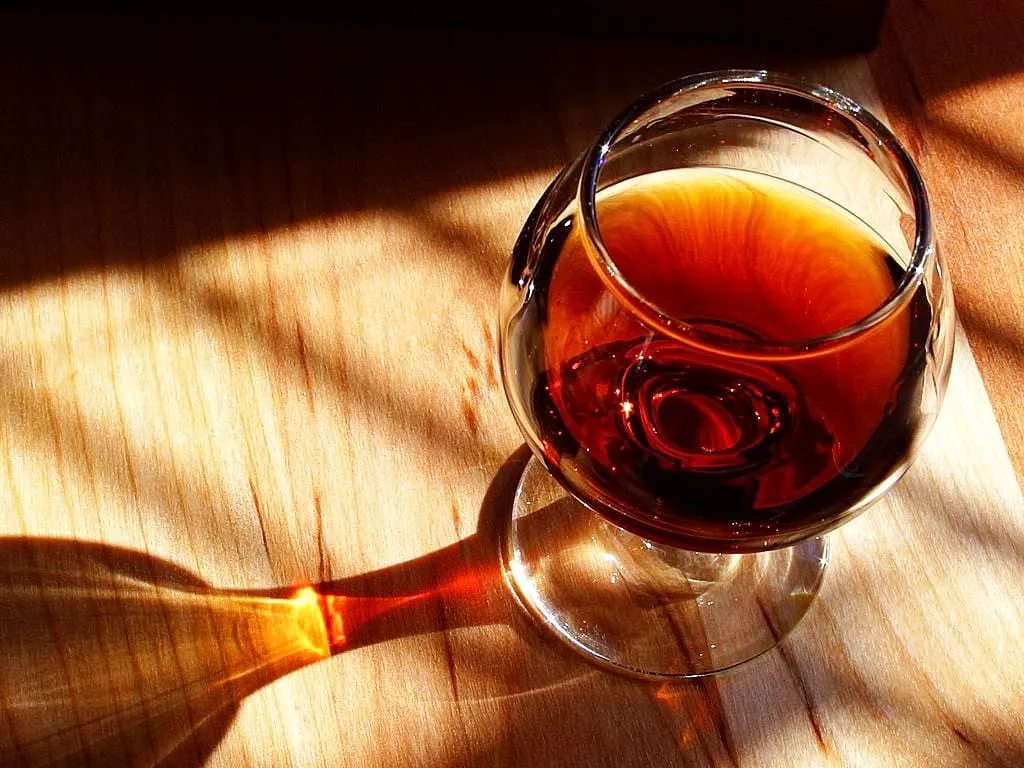
Glass of wine in the sun.

Wine can also give benefits when applied to the skin, thanks to “vinotherapy.” Consumer interest in these techniques is growing, with consumers, fascinated by the incredible beneficial properties, requesting these treatments at some of the most exclusive spas.

Vinotherapy is a fairly recent technique, born in 1999 in Bordeaux, France, where it was discovered that wine and grapes have antibacterial, emollient and anti-wrinkle properties. These characteristics derive from the fact that the berry, grape seeds and wine, are rich in antioxidant and anti-aging properties that through fermentation release phytoalexins, bioflavonoids and polyphenols. All these elements are able to fight free radicals and stimulate collagen synthesis, promoting cell turnover, thus making the skin more elastic and radiant. Benefits are also had with regard to microcirculation function, going against problems of water retention and facilitating blood circulation.

Peels, seeds and stems are used to make cutting-edge creams and treatments. From grapes to wine nothing is excluded in cosmetics, everything is used to create beauty creams and products that are antioxidant and help fight skin aging.

This results in cosmetics that come from the plant world and therefore contain fewer chemicals that risk damaging our skin. It is always preferable to choose organic products even when it comes to beauty.

To start with basic vinotherapy and test its beneficial properties, you can make a DIY facial beauty cream by mixing these ingredients:

  • 1 jar of natural white yogurt
  • 2 tablespoons of organic honey
  • 4-5 tablespoons of organic red wine

Alternatively, we suggest a scrub with brown sugar, lemon and organic red wine.
Related articles

Sulfites: what they are and why they are used in wine

Sulfites: what they are and why they are used in wine

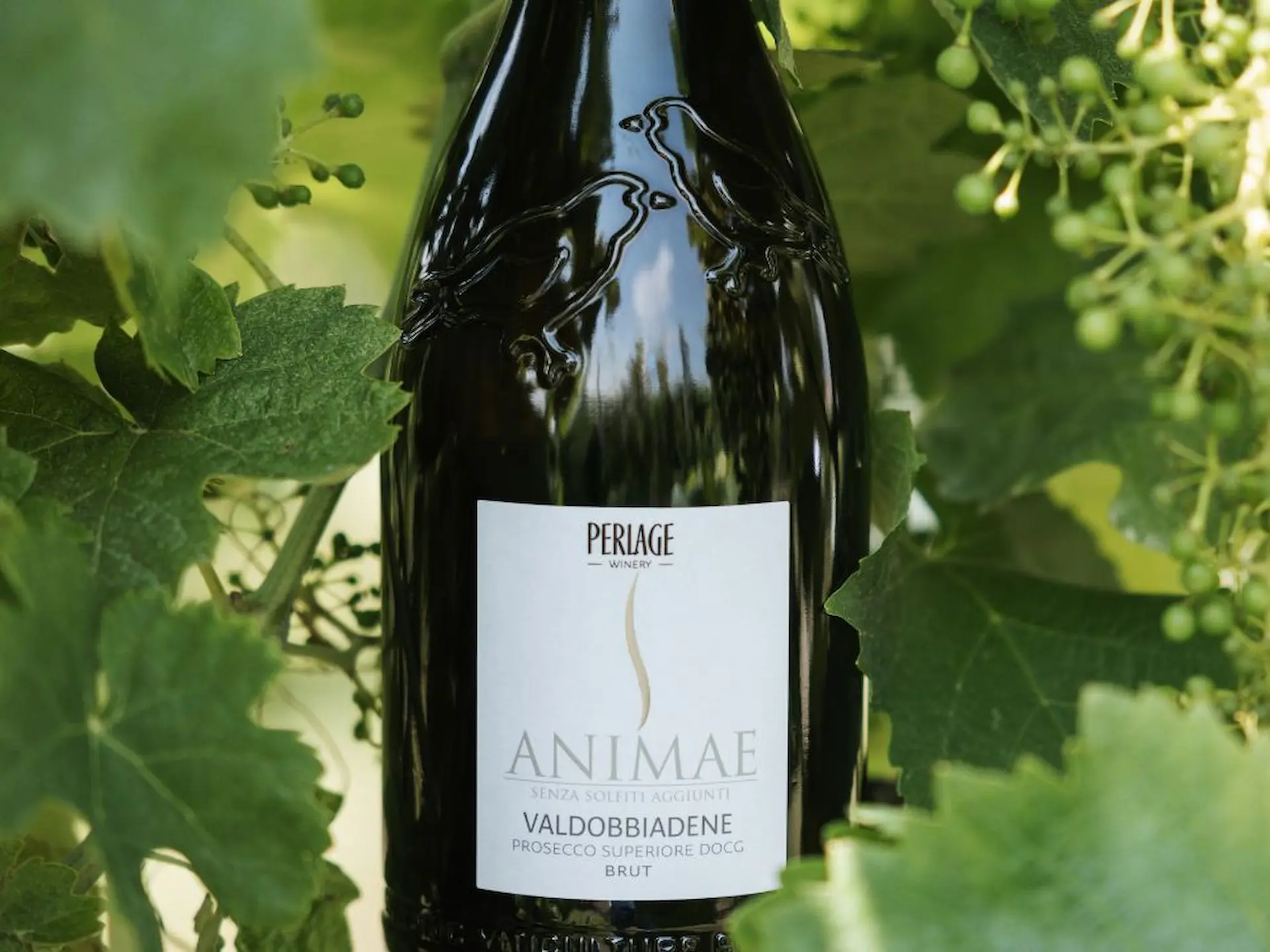
Sulfites, natural or added, serve to preserve wine from oxidation and mold. Organic wines use them to a small extent and some, like natural wines, contain none at all. Perlage revolutionized the industry by creating in 2008 the first Prosecco DOCG without added sulfites, Animae, followed in 2016 by Animae Cabernet Veneto IGT. The Animae range celebrates authenticity, purity and respect for the environment.

read more
V for vegan wines

V for vegan wines

World Vegan Day, celebrated on November 1, emphasizes the importance of sustainable nutrition in wine as well. Not all wines are vegan: to be so, they must exclude animal products at all stages, from cultivation to clarification in the cellar. Perlage began producing vegan wines in 2012 with Sgàjo Prosecco DOC Extra Dry and since 2016 all production has been organic and vegan, combining sustainability and innovation.

read more
Quality soil to protect people and the environment

Quality soil to protect people and the environment

Perlage protects soil biodiversity to ensure healthy soils, reduce CO₂ emissions and produce quality grapes. It uses compost in the vineyards, collects organic matter for new nutrients, measures its carbon footprint, and uses photovoltaic panels and efficient technologies. The company adopts the 5Rs philosophy (rethink, recycle, reduce, respect, regenerate) for sustainable agriculture and excellent wines.

read more

The Perlage Family

A choice that has led Perlage to be, today, one of the most renowned organic wine producers in the Veneto region.

Memory of tradition and the elegance of modernity
Perlage has been producing organic wine since 1985, with the memory of tradition and the elegance of modernity.