Advice and info | Bio World | Curiosities | Sustainability

Bioblog

Food forest – From traditional garden to forest ecosystem

2 min read

We hear more and more about food forest or edible forest but what exactly is it?

The pioneer was the Englishman Mr. Robert Adrian de Jauralde Hart, who began work on the concept of food forest in the mid-20th century. In Italy, this sustainable cultivation technique is called garden forest, edible forest or garden forest.

The food forest is designed as a sustainable, multi-functional and low-maintenance cultivation. Taking the forest ecosystem as a model, the chosen area is cultivated in several layers: herbaceous, shrub and tree. First we find fruit trees then followed by edible berry shrubs and finally perennials and annuals.

This ecosystem has the ability to generate food, in synergy with the wild plants and animals that live in that particular habitat. In fact, the food forest is a sustainable evolution of the traditional vegetable garden, which is thus transformed into a perennial, stable and, above all, ‘self-fertile’ cultivation system.

It is a place of experimentation where we can grow traditional plants and be able to venture combinations with unusual plants.
The positive aspects of an edible forest are varied, two being the main ones: the harmony that is created between man and nature, and the rationalization of resources.
Cultivating an edible forest allows us to obtain food for ourselves and the animals that inhabit it, it also allows us toincrease biodiversity by creating a special microclimate and producing oxygen, counteracting erosion and optimizing resources such as organic material, water and minerals.

As a final thing, let’s not forget another positive effect of this practice: the psychophysical benefit. We all know that contact with nature gives positive feelings and well-being; that’s why the food forest has also taken the name of forestry.
Related articles

Sulfites: what they are and why they are used in wine

Sulfites: what they are and why they are used in wine

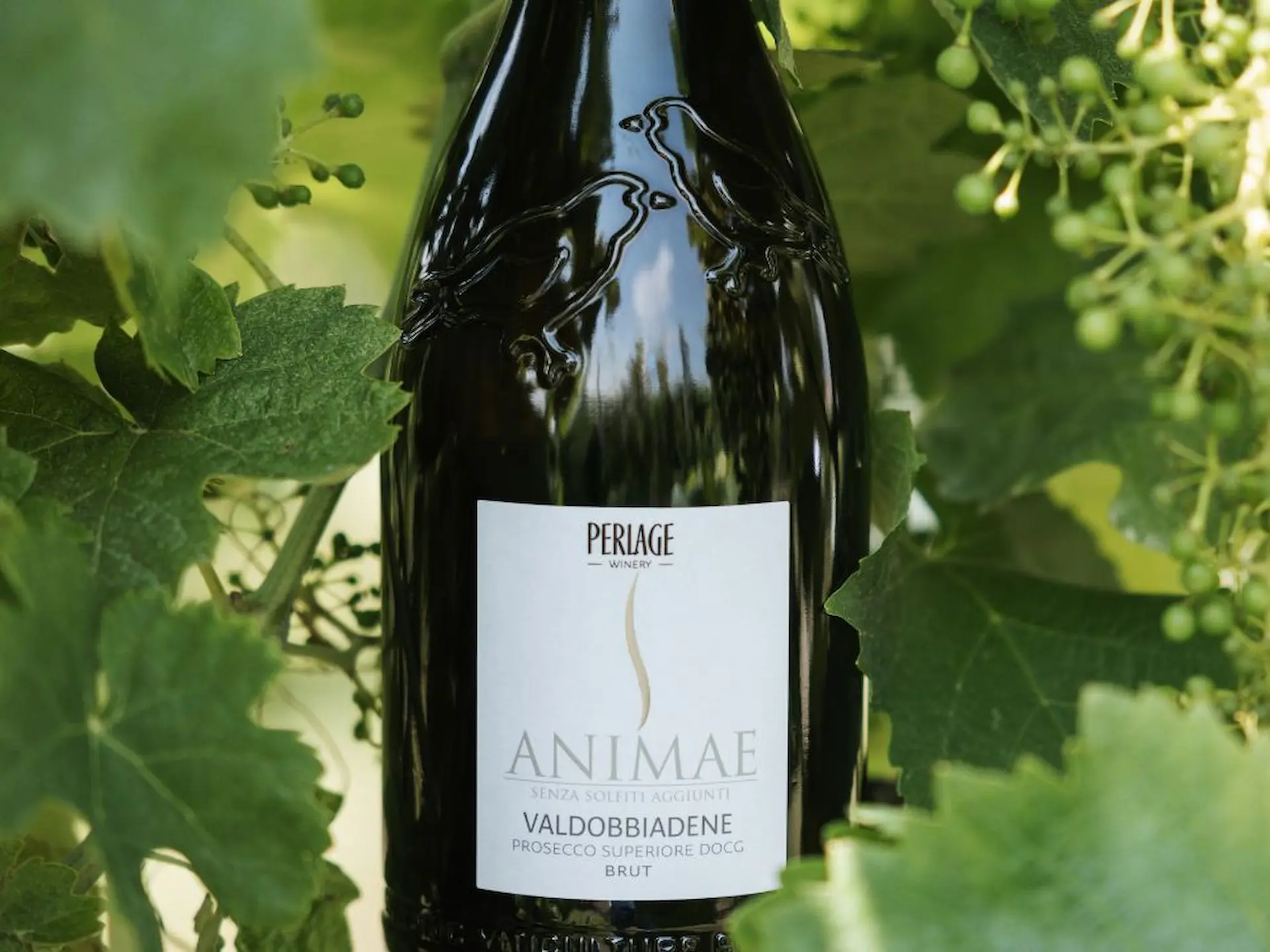
Sulfites, natural or added, serve to preserve wine from oxidation and mold. Organic wines use them to a small extent and some, like natural wines, contain none at all. Perlage revolutionized the industry by creating in 2008 the first Prosecco DOCG without added sulfites, Animae, followed in 2016 by Animae Cabernet Veneto IGT. The Animae range celebrates authenticity, purity and respect for the environment.

read more
V for vegan wines

V for vegan wines

World Vegan Day, celebrated on November 1, emphasizes the importance of sustainable nutrition in wine as well. Not all wines are vegan: to be so, they must exclude animal products at all stages, from cultivation to clarification in the cellar. Perlage began producing vegan wines in 2012 with Sgàjo Prosecco DOC Extra Dry and since 2016 all production has been organic and vegan, combining sustainability and innovation.

read more
Quality soil to protect people and the environment

Quality soil to protect people and the environment

Perlage protects soil biodiversity to ensure healthy soils, reduce CO₂ emissions and produce quality grapes. It uses compost in the vineyards, collects organic matter for new nutrients, measures its carbon footprint, and uses photovoltaic panels and efficient technologies. The company adopts the 5Rs philosophy (rethink, recycle, reduce, respect, regenerate) for sustainable agriculture and excellent wines.

read more

The Perlage Family

A choice that has led Perlage to be, today, one of the most renowned organic wine producers in the Veneto region.

Memory of tradition and the elegance of modernity
Perlage has been producing organic wine since 1985, with the memory of tradition and the elegance of modernity.