
We hear more and more about food forest or edible forest but what exactly is it?
The pioneer was the Englishman Mr. Robert Adrian de Jauralde Hart, who began work on the concept of food forest in the mid-20th century. In Italy, this sustainable cultivation technique is called garden forest, edible forest or garden forest.
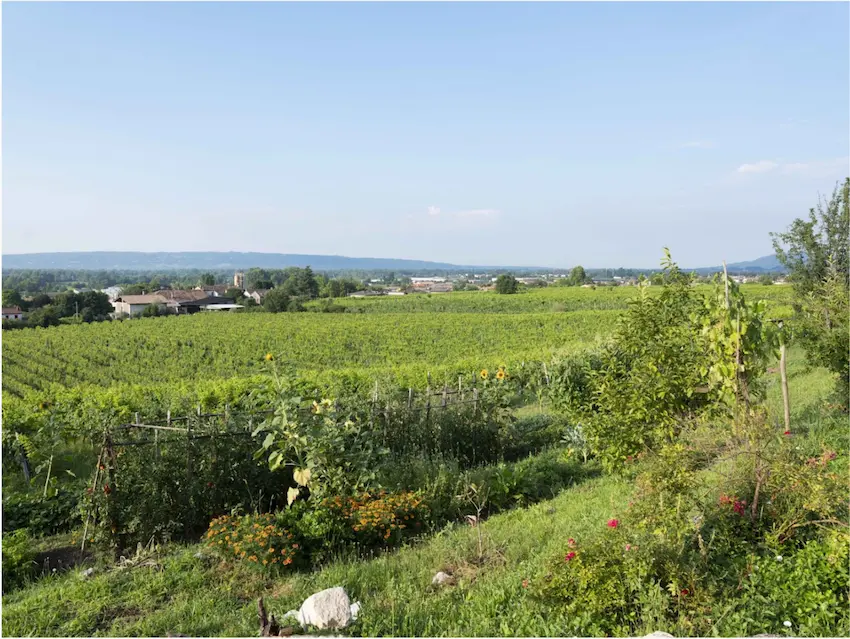
The food forest is designed as a sustainable, multi-functional and low-maintenance cultivation. Taking the forest ecosystem as a model, the chosen area is cultivated in several layers: herbaceous, shrub and tree. First we find fruit trees then followed by edible berry shrubs and finally perennials and annuals.
This ecosystem has the ability to generate food, in synergy with the wild plants and animals that live in that particular habitat. In fact, the food forest is a sustainable evolution of the traditional vegetable garden, which is thus transformed into a perennial, stable and, above all, ‘self-fertile’ cultivation system.
It is a place of experimentation where we can grow traditional plants and be able to venture combinations with unusual plants.
The positive aspects of an edible forest are varied, two being the main ones: the harmony that is created between man and nature, and the rationalization of resources.
Cultivating an edible forest allows us to obtain food for ourselves and the animals that inhabit it, it also allows us toincrease biodiversity by creating a special microclimate and producing oxygen, counteracting erosion and optimizing resources such as organic material, water and minerals.

As a final thing, let’s not forget another positive effect of this practice: the psychophysical benefit. We all know that contact with nature gives positive feelings and well-being; that’s why the food forest has also taken the name of forestry.